How Children Learn Music: Why Early Childhood Music Education Works


Many parents want to give their children the lifelong benefits of music lessons. But have you ever wondered how children actually learn music best?
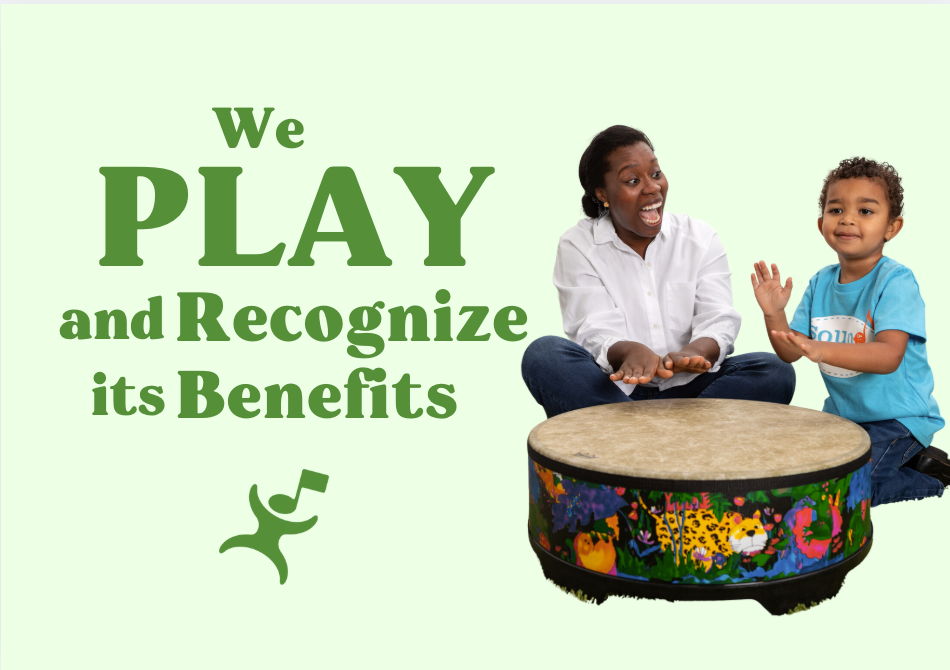
At Let's Play Music, we believe children learn music much like they learn language—through listening, singing, movement, and play before they learn to read music or play an instrument.

This research-based approach to early childhood music education helps children develop strong musical skills while supporting overall brain development and learning.
Music Is a Language
Think about how children learn to speak.
Before they read words in a book, they spend years listening, imitating sounds, and building vocabulary through everyday experiences. Music learning follows a similar path.
Children first learn to hear rhythm and melody, recognize musical patterns, and express themselves through singing and movement. Later, they learn to read music and apply those skills to instruments such as the piano.
When children learn music as a language, they develop a deeper understanding of what they hear and perform.
Why Singing Comes Before Reading Music
One of the most important principles of quality music education is that children should experience music before learning musical notation.
Through singing, movement, listening activities, and musical games, children naturally learn to:
Keep a steady beat
Match pitch accurately
Recognize rhythm patterns
Develop musical memory
Improve listening skills
Build confidence in music-making
These foundational skills make learning piano and reading music much easier later on.
Rather than memorizing notes and symbols first, children build true musicianship from the inside out.

The Benefits of Music Lessons for Children
Parents often enroll their children in music classes because they want them to learn an instrument. However, research shows that music education offers benefits far beyond musical performance.
Studies suggest that music lessons can support:
Language and literacy development
Memory and concentration
Pattern recognition
Mathematical thinking
Creativity and self-expression
Problem-solving skills
Academic readiness
Because music engages many areas of the brain at the same time, it provides a unique learning experience that supports whole-child development (Hallam, 2010).
Music and Brain Development
Research on music and brain development continues to reveal fascinating insights about how children learn.
When children sing, move, listen, and play music, they activate multiple brain systems simultaneously. Studies have found that music training may contribute to positive changes in brain structure and auditory processing skills (Habibi et al., 2018; Schlaug et al., 2005).
The early childhood years are especially important because young brains are highly adaptable. This ability, known as neuroplasticity, allows children to form and strengthen neural connections through meaningful experiences.
Music provides a powerful environment for learning because it combines movement, listening, language, memory, and creativity in one activity.

Why Early Childhood Music Education Matters
The goal of early childhood music education is not simply to teach children how to play songs.
It is to help them develop a lifelong understanding and love of music.
When children participate in music classes designed specifically for their developmental stage, they gain the skills needed to become confident musicians while also strengthening important learning abilities that benefit them in school and everyday life.
By experiencing music first and learning notation later, children build a strong foundation that supports future success in piano lessons, instrumental study, and musical creativity.
Learning Music the Let's Play Music Way
At Let's Play Music, children learn through singing, movement, listening activities, games, and creative exploration.
Our approach helps children develop musical understanding naturally before introducing formal music reading and piano skills.
By learning music as a language, children gain more than musical knowledge—they develop confidence, creativity, and a lifelong love of making music.
Whether your goal is to prepare your child for piano lessons or simply give them the many benefits of music education, starting with a strong musical foundation can make all the difference.
References
Hallam, S. (2010). The Power of Music: Its Impact on the Intellectual, Social and Personal Development of Children and Young People.
Habibi, A., et al. (2018). Childhood music training induces change in brain structure. Cerebral Cortex.
Schlaug, G., Norton, A., Overy, K., & Winner, E. (2005). Effects of music training on the child's brain and cognitive development. Annals of the New York Academy of Sciences.


This farm‑to‑table experience highlights the joy of connecting with nature and appreciating the fruits of labor. It’s both educational and grounding, reminding us of the value in simple, mindful work. It reminds me of Fnaf, where awareness and patience shape outcomes—every step builds resilience and meaning in the journey.
One minute you're looking for something to do, and the next you're fully focused on beating your own score. Cool Games has a way of pulling you into the moment.